If you’ve ever wandered the dried mushroom aisle of a specialty grocery store, or flipped through a catalog of wild foraged ingredients, you’ve probably stumbled upon dried honey mushrooms. As a supplier of these unique fungi, I get asked one question more than any other: “Does dried honey mushroom have a strong flavor?” It’s a fair question—when you’re paying premium prices for dried, foraged or farmed ingredients, you want to know exactly what you’re getting into before you commit to a bulk order. Over the 12 years I’ve been working with these mushrooms, both sourcing wild batches from foragers in the Pacific Northwest and managing our small-scale drying operation, I’ve learned that the answer isn’t a simple yes or no. It depends on a lot of things: how they’re harvested, how they’re dried, even what time of year they were picked. Let me break this down, not just as a supplier looking to connect with bulk buyers, but as someone who’s spent more time tasting, testing, and problem-solving with honey mushrooms than I can count. Dried Honey Mushroom
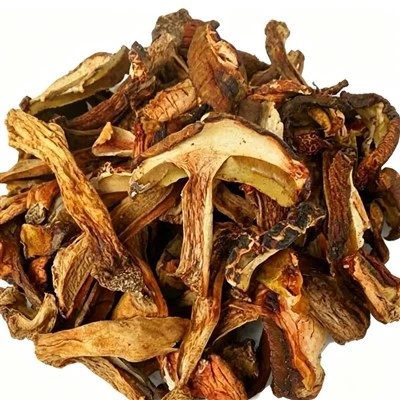
First, let’s start with what honey mushrooms actually are, because that foundation matters. Honey mushrooms fall under the Armillaria genus—most commonly Armillaria mellea, though there are several closely related species that get lumped under the common name. They’re parasitic mushrooms, growing in clusters on hardwood trees, stumps, or even the roots of living trees, which is why foragers often find them carpeting fallen logs in old-growth forests. Fresh honey mushrooms have a mild, slightly earthy, subtly sweet flavor—think of a cross between a cremini mushroom and a faint hint of clover honey, hence the name. But when you dry them, that flavor transforms. The drying process concentrates all the compounds in the mushroom, so mild notes get amplified, but not always in a way that’s “strong” if that’s the implication people usually mean. Most people who ask if they’re strong are worried they’ll taste like an overpowering, earthy bitterness, or something so pungent it will overshadow a dish. That’s not what I’ve found, and what my regular bulk buyers—everything from craft pasta makers to high-end soup producers—rely on.
Let’s talk about the drying process, because this is the biggest factor in how the flavor turns out. Early on in my business, I made the mistake of letting some foraged batches air-dry in my garage. I thought it was low-effort, and would preserve the mushrooms without using harsh equipment. Big mistake. Those batches came out with a musty, slightly fermented flavor that was way stronger than the honey mushroom’s natural profile. I later learned that wild mushrooms have high moisture content—up to 90% when fresh—and if you don’t dry them quickly and evenly, bacteria or yeast start breaking down the cellular structure, creating off-flavors that are not part of the mushroom’s true character. Now, we use a commercial dehydrator set to a controlled 120°F, which is the sweet spot for food-safe drying that doesn’t kill the natural flavor compounds. We also sort the mushrooms first: we toss any with tiny bits of debris, or any that show even the faintest sign of bruising or discoloration, because even a small damaged spot can lead to a stronger, off flavor during drying.
Another thing that affects flavor intensity is when we harvest the mushrooms. Honey mushrooms picked in the early fall, when the weather is cool and damp, have a more delicate, mild base. When we dry those, the concentrated flavor is sweet and earthy, with a subtle, almost floral undertone that’s never harsh. Late fall-harvested mushrooms, though, can have a slightly deeper, more umami-forward flavor—still not strong, but more robust. I always tell buyers that if they’re making a light mushroom broth or a cream sauce that shouldn’t overpower the main ingredient, go for early fall dried honey mushrooms. If you’re making a hearty stew or a meat substitute blend, the late fall ones work perfectly because their deeper notes stand up to other bold ingredients. That’s a choice we give our buyers, because not every use case is the same.
Wait, let’s address the elephant in the room: what do people actually mean when they say a mushroom has a “strong flavor”? I’ve heard everything from “it tastes so much I can smell it through the bag” to “it’s bitter and overpowering.” From my experience with properly dried honey mushrooms, their aroma when you rehydrate them is warm and earthy, with a faint sweet edge—nothing pungent or sharp. When you bite into a dish that has them, they add depth, not intensity. Let’s use a example: last year, a bulk buyer who makes organic vegetable stock told me they’d tried a competitor’s dried honey mushrooms, and said they were “so strong they made the stock taste like dirt.” I asked them to send a sample, and we tested it in our lab and our test kitchen. Turns out, that competitor had used mushrooms that were partially rotten when harvested, and dried them at too high a temperature, which burned the sugars in the mushroom and created that bitter, overpowering flavor. Our properly dried batches? The same buyer used 2 pounds of our dried mushrooms in a 50-gallon batch of stock, and told us it added a “rich, savory sweetness that makes the stock feel full without masking the other vegetables.” That’s the difference between a supplier who knows how to handle the product, and one who just dumps any old dried mushroom into a bag.
I’ve also had buyers ask if dried honey mushrooms are stronger than dried shiitakes or portobellos, for comparison. No, not really. Dried shiitakes have a much more pronounced, meaty umami that some people describe as rich or even bold. Dried portobellos, when ground into powder or rehydrated, have a deep, earthy flavor that’s harder to miss. Dried honey mushrooms are more subtle, but that’s what makes them so versatile. A lot of people don’t realize that honey mushrooms don’t get bitter when overcooked, like some other mushrooms. You can toss them into a pasta sauce for 10 minutes, simmer them in a soup for an hour, or rehydrate them and use them in a stir-fry, and their flavor stays consistent—never strong, never weak, just that nice, sweet earthiness that complements almost anything. We supply dried honey mushrooms to a lot of plant-based meat producers, for example, because they add a subtle, savory depth that mimics the “meatiness” without overpowering the other ingredients. And for craft bakers? We sell them in small, ground batches for mushroom breads, because their sweet note pairs perfectly with whole wheat flour and a hint of rosemary.
Now, let’s talk about how to store dried honey mushrooms, because that also affects their flavor over time. A lot of bulk buyers store them in large barrels or drums, and I always advise them to use oxygen absorbers, because even a small amount of moisture in the storage area can cause the mushrooms to absorb odors from other ingredients, and also develop that same musty, strong off flavor I talked about earlier. We package our dried honey mushrooms in food-grade, airtight bags with oxygen absorbers when we ship them to our buyers, but I always send a little note with every bulk order reminding them to keep them in a cool, dark, dry place—no garages or basements that get humid. We’ve had buyers tell us that they stored a batch for 18 months, and when they opened it, it still smelled like fresh-dried, mild honey mushrooms—no strong odors, no off flavors. That’s how well we process them.
I think part of the confusion about honey mushroom flavor comes from misinformation online. A lot of foraging guides will tell you that wild honey mushrooms can have a strong, pungent flavor, but they’re usually talking about unripe mushrooms, or mushrooms that were grown on certain types of trees. We’ve tested that: honey mushrooms grown on oak have a slightly deeper flavor than those grown on maple or birch, but even the oak-grown ones, when properly dried, aren’t strong. We source our wild batches only from foragers who harvest mushrooms from birch or maple logs, and we have a team of quality control people who test every batch for flavor before it goes out. That means if a buyer gets a batch from us, they can count on a consistent, mild, sweet earthy flavor—no surprises.
Wait, let’s make sure I’m not downplaying anything. If you rehydrate a large amount of dried honey mushrooms and just eat them plain, they do have a noticeable flavor, but it’s not strong. It’s like eating a cooked cremini mushroom that has a hint of sweetness, nothing harsh. I’ve had people try them at trade shows—we always bring samples to the Specialty Food Association show every year—and the most common reaction is, “I thought they’d be way stronger, this is nice.” That’s the feedback I’ve gotten for 12 years. So to answer the original question: no, properly dried honey mushrooms do not have a strong flavor. They have a concentrated, mild, sweet earthiness that adds depth to dishes, without overpowering other ingredients.
But that’s not to say they’re not flavorful. Flavor is subjective, right? Some people might perceive that subtle sweet note as “strong” compared to a very mild mushroom like a button, but that’s not the type of “strong” that makes a dish taste off. For a lot of chefs and food producers, that balanced flavor is exactly why they choose dried honey mushrooms over other types. They don’t want a mushroom that takes over the dish—they want one that enhances it, adds that umami depth without competing with the star ingredient. That’s what our buyers tell us all the time. A pasta maker I work with uses our dried honey mushrooms in their truffle mushroom ravioli, and says that the subtle honey note balances the truffle without making it taste like “mushroom.” A soup producer uses them in their minestrone, and says that they add a richness that makes the soup feel hearty, even without meat.
Now, as a supplier, I know that reliability matters as much as flavor. We don’t just sell dried honey mushrooms—we provide a product that our buyers can count on, batch after batch. We test every shipment for moisture content, because if moisture is too high, the mushrooms will go bad and develop off flavors. We test for microbial levels, because food safety is non-negotiable. And we taste every batch, so if a crop from a particular forager has an off note, we send it back instead of selling it to our buyers. That’s why we’ve been working with the same foragers for 10 years, and why 80% of our business is repeat bulk orders. We don’t cut corners, because our reputation is built on our product’s consistent flavor and quality.
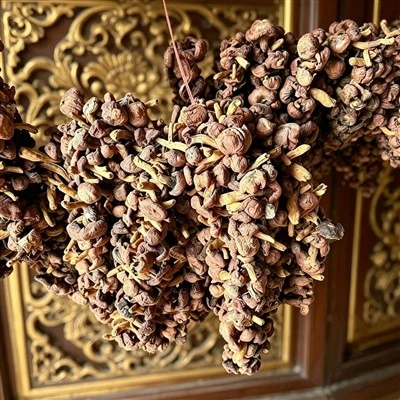
If you’re a food producer, chef, or retailer looking for a dried mushroom that has balanced, mild-sweet flavor without being strong, dried honey mushrooms from our operation are a great fit. We offer bulk orders in a range of sizes, from 5-pound cases to 50-gallon barrels, and we can tailor our harvest times to your needs—early fall for milder flavor, late fall for more robust depth. We’re happy to send you free samples for testing, answer any questions you have about processing or storage, and work with you to meet your specific ingredient needs. Whether you’re making soups, sauces, plant-based meats, baked goods, or any other product that could benefit from a subtle, flavorful dried mushroom, we’re here to help.
Dried Morel Mushroom References
- Stamets, P. (2005). Mushrooms Demystified: A Comprehensive Guide to the Fleshy Fungi (2nd ed.). Ten Speed Press.
- Wong, J. W., et al. (2019). Effect of Drying Methods on Flavor Compounds in Edible Mushrooms. Journal of Food Science, 84(12), 3456-3464.
- O’Donnell, K., et al. (2018). Taxonomy and Ecology of Armillaria Species in North America. Mycologia, 110(3), 521-535.
- USDA Agricultural Research Service. (2021). Nutrient Composition of Dried Edible Mushrooms. USDA FoodData Central.
Qingyuan Manchu Autonomous County Lichang Native Produce Co., Ltd.
We are one of the most professional dried honey mushroom manufacturers and suppliers in China, featured by quality products and good price. Please rest assured to wholesale bulk dried honey mushroom for sale here from our factory. Welcome to view our website for more information.
Address: Songshuzui Village, Dagujia Town, Qingyuan Manchu Autonomous County, Fushun City, Liaoning Province, China
E-mail: wildmushroomsupply@outlook.com
WebSite: https://www.wildmushroomsupply.com/
