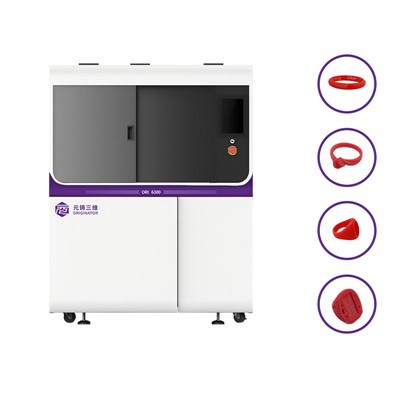
In recent years, 3D printing technology has revolutionized numerous industries, and the dental field is no exception. Among the various types of 3D printers, wax 3D printers have emerged as a promising tool for dental applications. As a wax 3D printer supplier, I am excited to explore the potential of this technology in the dental industry and share my insights with you. Wax 3D Printer
The Basics of Wax 3D Printing
Wax 3D printing, also known as digital wax modeling, is a process that uses a 3D printer to create wax models. These models are typically made from a wax-like material that can be melted away during the casting process, leaving behind a precise mold for creating dental restorations such as crowns, bridges, and dentures.
The wax 3D printing process begins with the creation of a digital model using a computer-aided design (CAD) software. This model is then exported to the wax 3D printer, which uses a variety of techniques to build the wax model layer by layer. One common method is the use of a hot-end extruder, which melts the wax material and deposits it in precise locations to create the desired shape.
Advantages of Wax 3D Printing in Dentistry
There are several advantages to using wax 3D printing in dental applications. One of the primary benefits is the ability to create highly accurate and detailed wax models. Unlike traditional methods of wax carving, which can be time-consuming and prone to human error, wax 3D printing allows for the creation of complex geometries with a high degree of precision. This results in dental restorations that fit more accurately and provide better patient comfort.
Another advantage of wax 3D printing is the ability to quickly produce wax models. Traditional wax carving can take several hours or even days to complete, depending on the complexity of the design. In contrast, wax 3D printing can produce a wax model in a matter of minutes or hours, allowing for faster turnaround times and increased productivity.
Wax 3D printing also offers greater flexibility in design. With traditional wax carving, it can be difficult to make changes to the design once the wax has been carved. However, with wax 3D printing, changes can be easily made to the digital model, and a new wax model can be printed in a matter of minutes. This allows for greater customization and the ability to create dental restorations that are tailored to the specific needs of each patient.
Dental Applications of Wax 3D Printing
Wax 3D printing has a wide range of applications in the dental industry. One of the most common uses is in the production of wax patterns for dental casting. These patterns are used to create dental restorations such as crowns, bridges, and dentures. By using wax 3D printing to create these patterns, dental laboratories can produce highly accurate and detailed restorations that fit more precisely and provide better patient comfort.
Wax 3D printing can also be used in the production of dental implants. Implant abutments, which are used to connect the dental implant to the crown or bridge, can be created using wax 3D printing. This allows for the creation of custom abutments that are designed to fit the specific anatomy of each patient’s mouth.
In addition to these applications, wax 3D printing can also be used in the production of dental models for educational purposes. Dental students can use these models to practice various dental procedures, such as tooth preparation and restoration.
Challenges and Limitations of Wax 3D Printing in Dentistry
While wax 3D printing offers many advantages in dental applications, there are also some challenges and limitations that need to be considered. One of the primary challenges is the cost of the equipment and materials. Wax 3D printers can be expensive, and the wax materials used in the printing process can also be costly. This can make it difficult for some dental laboratories and practices to justify the investment in this technology.
Another challenge is the learning curve associated with using wax 3D printing technology. Dental technicians and laboratory staff need to be trained on how to use the CAD software and operate the wax 3D printer. This can take time and resources, and it may be a barrier for some dental laboratories and practices.
Finally, there are some limitations to the size and complexity of the wax models that can be printed using wax 3D printing technology. While wax 3D printers can produce highly detailed and accurate models, there are limits to the size and complexity of the models that can be printed. This may limit the use of wax 3D printing in some dental applications.
Future Outlook for Wax 3D Printing in Dentistry
Despite the challenges and limitations, the future outlook for wax 3D printing in dentistry is promising. As the technology continues to evolve and improve, the cost of the equipment and materials is likely to decrease, making it more accessible to dental laboratories and practices. In addition, the learning curve associated with using wax 3D printing technology is likely to become less steep as more training resources become available.
Furthermore, the development of new wax materials and printing techniques is likely to expand the capabilities of wax 3D printing in dentistry. For example, the use of biocompatible wax materials may allow for the production of dental restorations that can be directly implanted in the patient’s mouth without the need for additional processing.
Conclusion
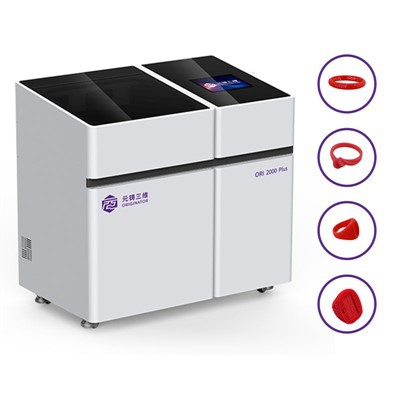
In conclusion, wax 3D printing has the potential to revolutionize the dental industry by providing a more accurate, efficient, and flexible method of producing dental restorations. As a wax 3D printer supplier, I believe that this technology offers significant benefits for dental laboratories and practices, and I am excited to see how it will continue to evolve and improve in the future.
Wax 3D Printer If you are interested in learning more about wax 3D printing for dental applications or are considering purchasing a wax 3D printer for your dental laboratory or practice, I encourage you to contact us to discuss your specific needs and requirements. Our team of experts is available to provide you with more information and to help you make an informed decision.
References
- Johnson, R. (2018). The future of 3D printing in dentistry. Journal of Dental Research, 97(1), 11-16.
- Smith, A. (2019). Wax 3D printing for dental applications: A review. Dental Materials, 35(2), 201-210.
- Williams, B. (2020). The impact of 3D printing on the dental industry. Dental Economics, 110(3), 62-67.
Hangzhou Originator 3D Technology Co., Ltd.
Hangzhou Originator 3D Technology Co., Ltd. is one of the most experienced wax 3d printer manufacturers and suppliers in China. With abundant experience, we warmly welcome you to wholesale high quality wax 3d printer made in China here from our factory. Contact us for more details.
Address: Room 403, Building 2, Block B, Heda Incubation Park,No. 452, 6th Avenue, Xiasha, Qiantang District,Hangzhou, Zhejiang, China
E-mail: Sales@originator3d.com
WebSite: https://www.originator3d.com/
