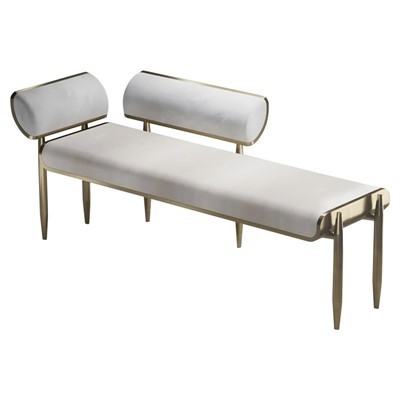
As a seasoned supplier of hotel lobby furniture, I’m acutely aware of the pivotal role that well – maintained furniture plays in the overall ambiance and functionality of a hotel lobby. Scratches on hotel lobby furniture can not only detract from its aesthetic appeal but also reduce its lifespan, leading to unnecessary replacement costs. In this blog, I’ll share some practical strategies on how to prevent scratches on hotel lobby furniture, drawing from years of experience in the industry. Hotel Lobby Furniture
Understanding the Causes of Scratches
Before we delve into prevention strategies, it’s crucial to understand what causes scratches in hotel lobbies. High – traffic areas like hotel lobbies are prone to various scratching agents. Guest luggage, carts used for moving items, and regular wear and tear from people sitting, moving, and dragging objects are common culprits. Additionally, improper cleaning tools or abrasive cleaning agents can also contribute to surface scratches over time.
Material Selection
One of the first steps in preventing scratches starts at the design and procurement stage. When selecting furniture for hotel lobbies, choosing scratch – resistant materials is essential.
Wood Furniture
Wood is a classic choice for hotel lobby furniture, offering warmth and elegance. Opt for hard – woods like oak, teak, or mahogany. These woods are naturally more durable and resistant to scratches compared to softer woods. Additionally, consider wood furniture with a high – quality finish. A thick, clear coat of varnish or lacquer can act as a protective barrier, shielding the wood from minor scratches. Some modern finishes also have built – in scratch – resistant properties that can further enhance the durability of the wood.
Upholstered Furniture
For chairs and sofas in the lobby, the choice of upholstery fabric is critical. Microfiber is a popular option due to its durability and resistance to scratches. It is also relatively easy to clean, which helps maintain its appearance over time. Leather is another high – end choice. Full – grain leather is more resistant to scratches compared to top – grain or bonded leather. However, it also requires proper care to retain its scratch – resistant properties. There are also treated leathers available on the market that have been specifically engineered to be more resistant to scuffs and scratches.
Metal Furniture
Metal furniture, such as chairs and tables, can be very durable. Choose metals like stainless steel or aluminum, which are known for their scratch – resistant qualities. Powder – coated finishes on metal furniture can provide an extra layer of protection. The powder coating not only adds color but also makes the surface more resistant to scratches, dents, and corrosion.
Protective Measures
Once the appropriate furniture is selected, implementing protective measures can significantly reduce the risk of scratches.
Use of Mats and Rugs
Placing mats at the entrances of the hotel lobby can trap dirt and debris from guests’ shoes, preventing them from being dragged onto the furniture. Area rugs can also be used in seating areas to protect the floor and the furniture legs. The rugs act as a buffer between the furniture and the floor, reducing the impact of movement and preventing scratches on both the floor and the furniture. For example, a thick, plush rug can absorb the shock when a chair is moved, minimizing the chances of it scratching the floor or the rug itself.
Felt Pads and Casters
For furniture with legs, attaching felt pads to the bottom of the legs can prevent scratches on the floor. This is especially important for hard – wood or tile floors. Felt pads are inexpensive and easy to install. They create a smooth, soft surface between the furniture leg and the floor, reducing friction and preventing scratches. In the case of larger furniture pieces like sofas or heavy tables, using casters with a soft rubber surface can also help. The rubber casters can roll smoothly across the floor without causing damage.
Furniture Covers
During off – peak seasons or when the hotel is undergoing renovations, using furniture covers can provide excellent protection. Dust covers made of polyester or other durable fabrics can shield the furniture from dust, dirt, and potential scratches. They are also useful during transportation or storage. Some high – quality furniture covers come with additional padding or are designed to fit snugly around the furniture, providing extra protection against scratches and other types of damage.
Staff Training and Guest Education
The people who interact with the furniture on a daily basis, including hotel staff and guests, play a crucial role in preventing scratches.
Staff Training
Hotel staff should be trained on proper handling and maintenance of lobby furniture. For example, housekeeping staff should be trained to use the correct cleaning tools and products. They should avoid using abrasive sponges or cleaners that can scratch the furniture surface. Additionally, staff who are responsible for moving furniture, such as during event set – ups or room rearrangements, should be trained on proper moving techniques. They should use furniture dollies or sliders to move heavy items without dragging them across the floor, which can cause scratches.
Guest Education
Providing guests with information on how to care for the furniture can also help prevent scratches. This can be done through signage in the lobby or in the guest rooms. Simple instructions like "Please use the provided luggage racks for your bags" or "Avoid dragging your chairs across the floor" can go a long way in reducing the risk of scratches. Some hotels also provide small welcome cards with furniture care tips, which can be a subtle yet effective way to educate guests.
Regular Maintenance
Regular maintenance is key to keeping hotel lobby furniture in good condition and preventing scratches.
Cleaning
Establish a regular cleaning schedule for the lobby furniture. Use mild, non – abrasive cleaning agents specifically designed for the type of material the furniture is made of. For wood furniture, use a gentle wood cleaner and a soft, microfiber cloth. For upholstered furniture, vacuum regularly to remove dirt and debris, and spot – clean spills immediately. For metal furniture, a simple wipe – down with a damp cloth and a mild metal cleaner can help maintain its appearance. Avoid using abrasive scrubbers or rough sponges, as they can cause scratches.
Inspection
Regularly inspect the furniture for signs of wear and tear, including scratches. Early detection allows for prompt repair. If a small scratch is detected on wood furniture, it can often be repaired using a wood filler or a touch – up pen. For upholstered furniture, loose threads or small tears should be fixed as soon as possible to prevent them from worsening. Metal furniture with minor scratches can be touched up with paint or a metal polish.
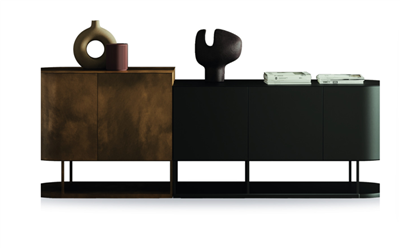
By implementing these strategies, hotel owners and managers can significantly reduce the risk of scratches on their lobby furniture, ensuring that it remains in pristine condition for years to come.
Hotel Millwork If you’re in the market for high – quality, scratch – resistant hotel lobby furniture, I’d love to have a conversation with you. Whether you’re renovating an existing hotel lobby or building a new one, I can provide you with a wide range of furniture options that not only meet your aesthetic needs but also offer excellent durability. Contact me to start a procurement discussion and let’s create a beautiful and long – lasting hotel lobby together.
References
- "Furniture Materials and Finishes Handbook" by John Smith
- "Hotel Design and Management" by Jane Doe
- Industry reports on hotel furniture trends and durability from leading market research firms.
Address: Room 1802, No. 2nd, Kexing Road, Baiyun District, Guangzhou, Guangdong Province, China
E-mail: sq@jiameiwood.com
WebSite: https://www.jiameiwood.com/
