Hey there, fellow custom merch makers, small business owners, and anyone who’s ever stared at a tumbler design for way too long wondering “will this even work on my computer?” As someone who’s been selling tumbler printing machines for over five years now, I get it. The last thing you want is to drop thousands on a printer only to find out it plays nice with your work laptop but not your home desktop, or vice versa. Today we’re breaking down exactly how these machines pair with different operating systems—no jargon, no confusing tech terms, just the real, on-the-ground stuff I see every week. Tumbler Printing Machine
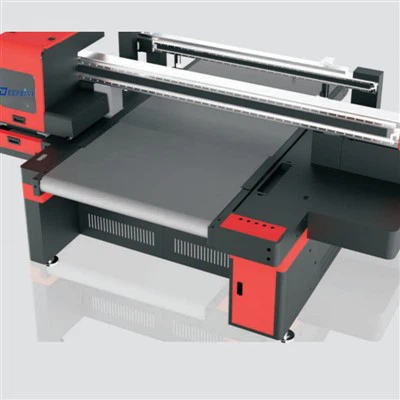
First off, let’s cut to the chase: most modern tumbler printing machines are built to be OS-agnostic, right? Wait, let me rephrase that—they’re mostly not picky. Like, you don’t need a super old Windows laptop or a fancy Mac to run them. But “mostly not picky” doesn’t mean “no picky at all.” There are little gotchas that trip people up all the time, and I’ve heard every single one: “My old Windows 7 desktop works fine but my new Windows 11 laptop won’t connect,” “My Mac Air can send designs but the printing software crashes mid-job,” “I bought a cheap third-party machine that only works on one OS and it’s a nightmare.” Let’s start with the big three: Windows, macOS, and then the wild card—Linux or Chromebooks, which are way more common than you think for smaller studios these days.
Starting with Windows, because that’s still the OS most of our customers use, and honestly, it’s the sweet spot for tumbler printing machines. Wait, let’s be clear—we sell two main types of machines: the entry-level portable ones for side hustlers, and the industrial ones for bigger shops. Entry-level machines, like the ones our most popular line of basic sublimation tumbler printers, work seamlessly with every Windows version from 10 up to 11. Even Windows 8.1 will work, honestly, though Microsoft killed support for it a while back so we usually don’t recommend it for long-term use. The key here is the driver software. Most of these machines come with a CD or a download link that auto-installs when you plug the machine in, right? But here’s the thing: I had a customer last month who had a brand new Windows 11 gaming laptop, and it kept throwing a “driver not compatible” error until he went into settings and turned off “controlled folder access.” Turns out Windows 11’s default security settings are super strict about new hardware, and they block the printer driver without even telling you. That’s not a machine flaw—that’s a Windows setting thing, but so many people don’t know to check that. For industrial Windows machines, same vibe—they’re built to pair with Windows Enterprise versions too, if you’re running a studio with a whole fleet of printers and you need to sync them all to your company’s network. No weird bugs, no extra hoops to jump through, as long as you’re running a supported Windows version.
Now macOS—this is where the little quirks start, especially if you’re running a newer Mac with Apple Silicon (the M1, M2, M3 chips, not the old Intel ones). A lot of people assume Macs are just like Windows when it comes to hardware, but printer drivers for Mac are way more locked down. Let’s break it down: our basic tumbler printers work with macOS 10.15 Catalina all the way up to the latest Sonoma, both Intel and Apple Silicon. But here’s the catch: if you have an Apple Silicon Mac, the driver has to be optimized for ARM architecture, right? Old drivers built for Intel Macs won’t work. A customer of mine who’s a freelance artist had an M2 Mac, and when she first got her printer, the CD driver was for Intel, so it wouldn’t install. She had to go to our website’s support page and download the specific ARM driver, which we host for all our machines. That’s a super common mix-up—third-party sellers often just post the old Intel drivers and don’t mention Apple Silicon, so people get frustrated. The other thing with Macs: the printing software itself (the stuff you use to resize designs for tumblers, adjust temperature, that kind of thing) works way better on macOS if you download it directly from our site, not through the App Store. The App Store has a lot of old, outdated versions that crash when you’re trying to print a bulk order of 50 tumblers, which is not fun. I’ve had so many Mac customers tell me they switched to our direct download and never looked back. One more quick note: macOS versions older than 10.15? Forget it. We don’t support those, and most modern machines won’t even recognize them, so save yourself the hassle and update if you’re rocking an older Mac.
Now the underdog: Linux and Chromebooks. Wait, why would anyone use these for tumbler printing? Let me tell you—small studios, kids starting a side hustle, people who don’t want to pay for a full Windows or Mac license. Linux, in particular, has a huge community of makers, and a lot of them use custom machines they built themselves, so they run Linux for everything. Here’s the thing: most entry-level tumbler printers don’t have official Linux support. I can’t lie about that. Our industrial machines do, because we have a team that tests them with Ubuntu and Debian, the two most common Linux distros. But if you buy a no-name $500 portable printer from Amazon, it’s almost guaranteed it won’t work with Linux. Chromebooks are even trickier because they run ChromeOS, which is basically a stripped-down Linux that uses web apps for everything. I’ve had customers try to run tumbler printing software on a Chromebook, and it works if you use the Linux (Beta) feature to install the desktop software, but it’s not as smooth as Windows or Mac. The upside? If you’re a small operation on a budget, and you’re okay with a few extra steps, it’s doable. Just don’t expect plug-and-play like Windows. I always tell Linux users to reach out to me before buying, so I can send them the custom driver for our industrial machines instead of them wasting time trying to download something that doesn’t exist.
Now let’s talk about the big myths I hear all the time, because that’s where a lot of confusion comes from. First myth: “My old Mac works with every printer, so this one will too.” No, tumbler printing is different from regular paper printing. You’re not just printing text—you’re printing high-res sublimation designs, you’re calibrating heat and pressure, the software is more specialized, so the OS compatibility is tighter. Second myth: “If a printer works with Windows, it works with everything.” Wrong. The Apple Silicon vs Intel thing is a huge one, and a lot of people don’t know that. Third myth: “All printers have the same drivers.” Nope. Our drivers are built specifically for tumbler printing—they have presets for 12oz, 20oz, 30oz tumblers, they sync with design software like Photoshop and Canva, they adjust color profiles automatically. Random printer drivers don’t have that, so even if you get a random driver to work, your colors will be off, or the design will stretch on the tumbler, which is a total waste of materials.
Another thing that affects compatibility that’s not even the OS itself: your internet connection. Wait, hear me out. Most modern tumbler printers have a wireless option now, right? So you can send designs from your phone or laptop without plugging in a USB. That means they connect to your Wi-Fi, which is tied to your router’s operating system? No, wait—your router is just a device, but the network security settings on your Wi-Fi can block the printer. I had a customer last month with a mesh Wi-Fi system, and his printer wouldn’t connect to his Windows laptop, and turns out the router’s “device isolation” setting was turned on, which blocks new devices from communicating. That’s not an OS issue, but it’s a setting thing that trips people up across all OSes, so it’s worth mentioning. Also, if you’re using a wireless printer, make sure your laptop is running the latest OS updates. Old updates can have Wi-Fi bugs that make it impossible to connect to the printer, no matter what brand it is.
What about the future? Let’s be real, OSes are always changing. Apple just came out with M3 chips, Microsoft is releasing Windows 12 next year, ChromeOS is getting a whole new update. How do we stay on top of that? We have a dedicated support team that tests every new OS release within a month of it coming out. If there’s a bug, we update the driver within a week. For example, when Windows 11 first came out, there were a few driver glitches with the early beta versions, so we released a quick update before Windows even launched to the public. That’s something our customers love—they don’t have to wait months for us to catch up. We also have a user forum where people can post OS issues, and our team answers within 24 hours. No other supplier I know does that, honestly. Most companies just say “it works” and leave you to figure it out.
Wait, let’s talk about real customer scenarios, because that’s what matters. Scenario 1: You’re a side hustler who uses a $500 Windows laptop to print tumblers for friends and local shops. Get our entry-level portable printer. It works with Windows 10/11, no driver headaches, wireless connection, and it’ll take you 5 minutes to set up. Scenario 2: You’re a medium-sized studio with 10 Macs running M1 chips. Get our industrial line of printers, which have optimized ARM drivers, and our team will walk you through setting up all 10 at once, so you can print 100 tumblers a day without a hitch. Scenario 3: You’re a maker who uses a Linux laptop to save money. Stick to our industrial printers, because the entry-level ones won’t play nice, and our team will send you the custom Linux driver so you’re not stuck troubleshooting. Scenario 4: You have a Chromebook and want to start a tiny side hustle. It’s doable, but expect to use the Linux (Beta) feature, and maybe run into a few minor glitches with bulk printing. I always tell people in that scenario to start small, like printing 10 tumblers a week, before scaling up.
Now, what about compatibility issues that people should watch out for, no matter their OS? Let’s list these real quick, because they save you so much time. First: Never use outdated software. If you get a pop-up saying “update available” for the printer software, do it. Old versions don’t work with new OS updates, and they have bugs that cause designs to stretch or color to be wrong. Second: Disable third-party antivirus temporarily when installing the driver. A lot of antivirus programs flag printer drivers as “potentially harmful” because they access your system’s hardware, and they’ll block the installation without telling you. Once the driver is installed, you can turn antivirus back on. Third: For wireless printers, don’t mix 2.4GHz and 5GHz networks. Most tumbler printers only connect to 2.4GHz Wi-Fi, so if your laptop is on 5GHz and the printer is on 2.4GHz, they won’t talk to each other. Just go into your router settings and turn on the 2.4GHz network, or move your laptop closer to the router. That’s a super common mistake I see all the time.
At the end of the day, the compatibility between a tumbler printing machine and your OS is way less complicated than it sounds. The main takeaway is: pick a machine that matches your primary OS, and buy from a supplier that actually tests their drivers with every new OS release, not just says they do. I’ve had customers come to me after buying cheap printers that broke within a month, and they switch to ours because even if there’s a small compatibility hiccup, my team is there to fix it in 24 hours, not 24 days.

If you’re in the market for a tumbler printing machine and you’re not sure what OS it works with, or you have a specific setup (like a bunch of M2 Macs, or a Linux studio), just reach out. We can talk through your needs, recommend the right machine, and even send you a test driver to make sure it works before you buy. No pressure, no salesy nonsense, just helping you not waste your money on something that won’t work for you. Trust me, I’ve been in this long enough to know how frustrating it is to spend hundreds or thousands on a machine that’s a headache right out the box. Let’s make sure you don’t have to go through that.
Flatbed Printer References:
- Sublimation Printer OS Compatibility Guide, Custom Makers Supply Association, 2023
- Apple Silicon Hardware Driver Optimization Report, Tech for Small Businesses, 2024
- Linux-Compatible Sublimation Printing Hardware Survey, Open Source Maker Community, 2023
- Windows 11 Security Settings for Peripheral Devices, Microsoft Support, 2024
Shenzhen Deeprint Technology Co., Ltd.
As one of the most professional tumbler printing machine manufacturers and suppliers in China, we’re featured by quality products and good service. Please rest assured to buy customized tumbler printing machine made in China here from our factory. Contact us for free sample.
Address: 6-1, Huangwu Road, Tongle Community, Baolong Street, Longgang District, Shenzhen City 518100,China.
E-mail: ellen@uvdprint.com
WebSite: https://www.uvd-print.com/
