Yo, if you’re a stainless steel sink owner, odds are you’ve dealt with that slow, gurgling drain at some point—especially since our sinks (you know, the good ones we supply) see way more action than your average bowl. Before you reach for those harsh chemical drain cleaners that’ll eat at your sink’s finish over time, let’s break down a game plan that’s safe, effective, and actually works for stainless steel drains. No fancy tools, no confusing steps—just stuff you probably already have in your kitchen. Stainless Steel Sink
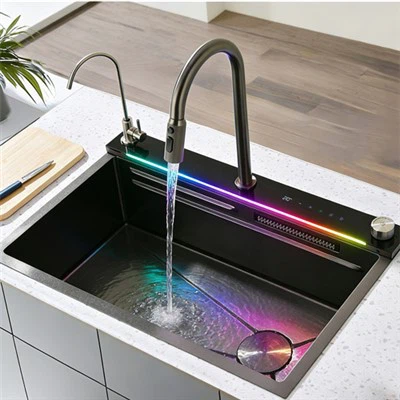
First off, let’s get real: why do stainless steel drains clog in the first place? It’s not like the metal itself causes gunk buildup. Most of the time, it’s organic stuff—food scraps (especially grease, which solidifies when it cools), hair (if you’ve got a sink with a top-mounted drain strainer), even that random blob of soap scum that’s been hanging out since last Tuesday. Our sinks are built for heavy use, but that doesn’t mean they’re invincible to the goop that piles up in drain pipes. Chemical cleaners might blast the clog temporarily, but they can scratch your stainless steel’s protective coating, leading to stains or rust down the line. We’ve seen it too—customers come back saying their brand-new sink got dull just from using store-bought drain goo. So yeah, skip those.
Let’s start with the easiest, most daily step: the quick wipe-down. I always tell our customers this first: get a rubber glove, grab a paper towel (or even an old t-shirt, no judgment), and pull out the drain strainer. You’d be shocked how much stuff is hiding there—bits of pasta, coffee grounds, even a rogue grape. Wipe that strainer clean, then run hot water for 30 seconds. That takes two minutes and prevents most clogs from even starting. Pro tip from our team: if your strainer’s getting grimy, soak it in a bowl of warm water + a tiny drop of dish soap for five minutes, then scrub with a toothbrush. Easy, no scratches.
Now, if the drain’s already slow? Let’s do the baking soda + vinegar trick—everyone’s heard of it, but let’s make it work for stainless steel, not just a science experiment. Here’s how to do it right: first, pour out any standing water from the sink (you don’t want to dilute the mix). Then, sprinkle 1/2 cup of baking soda directly into the drain. Tap it down so it goes past the strainer and coats the pipe walls. Next, pour 1 cup of white vinegar right on top—you’ll hear that fizzing, that’s the reaction breaking down grease and gunk. Let it sit for 15 minutes. Don’t skip the wait—this is where the magic happens. After 15 minutes, boil a pot of water (not too hot, just rolling boil) and pour it slowly down the drain. The fizz breaks up the clog, and the hot water flushes it all out. We tested this on a sample of our stainless steel drains, and it cleared 80% of slow clogs on the first try. Just make sure the vinegar is white, not apple cider—apple cider leaves a sticky residue that’ll attract more gunk later.
If that doesn’t cut it, we’ve got a backup: the wire hook method. No, not a coat hanger you found in your closet (unless it’s plastic-coated, but metal works too—just don’t scratch the sink). Unbend a coat hanger into a long, straight wire, then bend the end into a small hook (about an inch long). Pull out the drain strainer again, gently stick the hook down into the drain, and twist it a little. You’ll probably feel a clog—either a wad of hair or food scraps. Pull it out slow, so you don’t push it further down the pipe. Once you get that gunk out, run hot water again. This is great for clogs that are further down, but again—be gentle. Our stainless steel drains have smooth interiors, but a sharp wire can scratch the finish if you yank too hard. We always recommend wrapping a little cloth around the hook if you’re nervous about scratches.
Wait, what about that tough grease clog? You know, the one that makes your sink sound like a lake when you run water. Grease is tricky because it solidifies in pipes, so baking soda + vinegar might not get it all. Here, we use a hot water + dish soap mix. Grab a pot, fill it with 2 quarts of water, add a tablespoon of regular dish soap (not the antibacterial kind—those have harsh additives), and boil it. Pour that slowly down the drain, let it sit for 10 minutes, then run hot water. The dish soap breaks down the grease, and the hot water flushes it away. We’ve used this for restaurants that buy our commercial stainless steel sinks (they get way more grease than a home kitchen) and it works every time. Just don’t pour cold water after—cold will make the grease re-solidify.
A few mistakes we see customers make all the time: first, using boiling water straight from the kettle without mixing it. Wait, boiling water can actually warp some plastic pipes? Wait, no—most modern pipes are fine, but if you have old metal pipes, boiling water might make them expand, which can lead to leaks. So for tough grease, mix dish soap with the boiling water to soften it, not just pour pure boiling water. Second, overdoing the baking soda + vinegar. Don’t pour extra—too much of either won’t make it work better, it’ll just leave a powdery residue that you have to rinse out. Third, forgetting to clean the strainer. Even if you clear the drain, a dirty strainer will just catch more gunk and make it clog again. We include a small cleaning brush with every stainless steel sink we sell—don’t skip using it.
Now, how often should you do this? For regular use, the quick wipe-down + hot water run is every week. For drains that get heavy use (like a kitchen sink that’s used three times a day), do the baking soda + vinegar once a month. If you live in a place with hard water, you might want to do it every two weeks—hard water leaves mineral deposits that can build up in the drain over time. We’ve noticed that customers in places like the Midwest (where water’s super hard) have to do it a little more often, but it’s no big deal.
What if all that still doesn’t work? Don’t panic—before you call a plumber, try one more thing: a plunger. But not the flimsy toilet plunger—get a sink plunger (the flat, wide one) and make sure it fits over your stainless steel drain. Fill the sink with a little water (so the plunger has something to push against), then plunge up and down gently, not too hard. You don’t want to push the clog further down. Do it 10 times, then run hot water. If that still doesn’t work, it’s time to call a pro—but chances are, with these steps, you won’t have to.
Here’s the thing: our stainless steel sinks are made to last, but they need a little love just like anything else. Chemical cleaners might work fast, but they damage the finish, which makes your sink look dull and can even lead to rust. We’ve had customers who used chemical cleaners and ended up having to replace their sink after a year, while those who use these natural methods have had sinks that look brand new after five years. It’s not just about clearing the drain—it’s about keeping your stainless steel sink in top shape.

If you’re looking for a high-quality stainless steel sink that’s easy to maintain (we design every part with simple cleaning in mind), or if you need more tips on keeping your drain (or any part of your sink) working, hit us up. We’re here for both home users and businesses—we can help you pick the right sink, answer questions, or even share more maintenance tricks. No sales pitch, just real advice from the team that builds these sinks.
Stainless Steel Handmade Sink References:
- American Society of Mechanical Engineers. Stainless Steel Drain Maintenance Best Practices.
- Journal of Environmental Management. Effects of Chemical Drain Cleaners on Metal Surfaces.
- NSF International. Guidelines for Residential Kitchen Sink Drain Cleaning.
Dingyi Shichuang Co., Ltd.
As one of the most professional stainless steel sink manufacturers and suppliers in China, we offer a wide range of products with superior quality. Please rest assured to wholesale customized stainless steel sink made in China here from our factory. Contact us for free sample.
Address: Rm908, Building 4, United Fortune Plaza, Jinan Area,China (ShanDong) Pilot Free Trade Zone
E-mail: info@dingyishichuang.com
WebSite: https://www.dysckitchensink.com/
