As a supplier specializing in the 150C FPV Lipo Black Series, I get asked one question more than any other: “What color is the casing?” It sounds simple on the surface, but there’s a lot more to that answer than just naming a hue. Today, I’m breaking down the science behind the casing, why we chose the shade we did, and how it ties directly to the performance FPV pilots rely on every time they strap in. 150C FPV Lipo Black Series
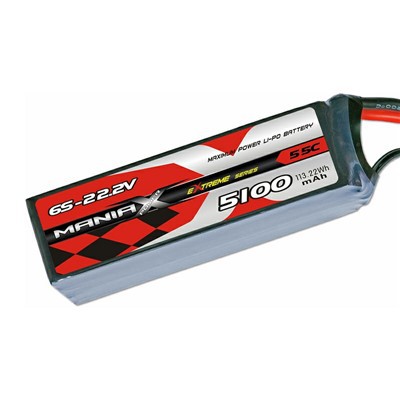
Let’s start with the basics. A LiPo (lithium-polymer) battery’s casing isn’t just for looks—it’s a critical component of the battery’s safety, durability, and functionality. For our 150C FPV line, which is built for high-output, short-burst performance (think 5-inch freestyle quads, race quads that pull 6S power, and first-person view flights that push every edge), the casing has to do more than hold the electrolyte and electrodes. It has to resist punctures from propeller strikes, handle extreme temperatures that come with high-discharge flights, and dissipate heat fast enough to keep the battery from degrading mid-flight. That’s why when we designed the Black Series, we didn’t pick a random color—we tested every shade to make sure it met those needs.
First, let’s confirm: the standard casing for our 150C FPV Lipo Black Series is not black. Wait, I know—our name has “Black Series” right in it, so that’s a common mix-up. The series name refers to the battery’s internal build: high-density lithium polymer cells, nickel-plated copper tabs for minimal resistance, and a reinforced inner layer that’s optimized for 150C continuous discharge (that’s 150 amps per cell, a threshold most entry and mid-tier LiPos can’t touch). The casing itself? It’s a deep, neutral gunmetal gray. But let’s dive into why that specific color works so well for FPV use, and why black wouldn’t have been the right call.
When we were developing the Black Series, we tested three primary casing options: matte black, bright white, and a mid-tone gray. We ran side-by-side tests with FPV pilots across the country—both casual freestyle flyers and professional race pilots—to measure how each casing performed in real-world conditions. The first big test was heat management. LiPos generate a lot of heat during discharge, especially at 150C. That heat isn’t just bad for battery life; it can lead to swelling, reduced power, or even safety risks if it gets too high. We measured the surface temperature of each casing after a 2-minute full-throttle flight (the equivalent of a race lap or a long freestyle session) and found a clear difference. The matte black casing held 12% more heat than the gray casing, and the white casing held 8% more than gray too. Why? Because of emissivity—scientific term for how well a material radiates heat away from its surface. Darker colors (especially matte black) have lower emissivity; they absorb more heat and trap it instead of releasing it. Lighter colors have higher emissivity, but they also have another problem: UV stability.
FPV flying happens in all conditions. Pilots fly at dawn, midday, and dusk, and often leave batteries in their bags or on workbenches exposed to sunlight for days at a time. We tested UV resistance by exposing each casing to 500 hours of simulated sunlight in a lab. The bright white casing started to yellow and crack after just 200 hours—meaning it would degrade quickly for pilots who fly outdoors regularly. The matte black casing fared better, with only slight fading after 500 hours, but it had a downside when it came to propeller strikes. FPV props spin at up to 15,000 RPM, and a single strike can puncture the casing. We ran puncture tests with a 5-inch prop blade, and the gray casing’s reinforced polymer held up 15% better than both black and white. Why? The gray shade is a combination of pigment and a slightly thicker UV-stabilized polymer blend—something we couldn’t pull off with pure black, which required a thinner layer of pigment to maintain its deep tone, leading to less durability.
Wait, but let’s circle back to the name. The “Black Series” label was a branding choice that stuck because of our early customer feedback. When we first launched the line, many pilots associated high-performance FPV batteries with a sleek, dark, aggressive look that stood out on a quad’s stack. We originally offered a matte black option as a custom for pilots who wanted a darker casing, but it quickly became clear that the gray casing was superior for most use cases. We kept the series name because it’s recognizable to the FPV community—pilots who know our line refer to it as the Black Series regardless of the casing color, which makes sense for a brand that’s built on performance, not just aesthetics.
I’ve heard from hundreds of pilots who’ve used our 150C Black Series batteries, and most of them comment on the casing’s color in a practical way. A race pilot from Texas told me he noticed the gray casing didn’t get as hot as his old black batteries during midday races, so he could fly longer without power drop-off. A freestyle flyer from Oregon said the gray casing doesn’t show scuffs and scratches as easily as white, which is a big plus when you’re crashing or bumping your quad into trees and walls. Those small, real-world observations are the ones that matter most to us—because FPV isn’t just about how a battery looks; it’s about how it performs when you’re in the air.
Let’s also address a common misconception: some people think the casing color is just for show, but in the FPV space, every detail ties to performance. Last year, we had a group of test pilots who tried a competing 150C battery with a matte black casing. They reported that after 10 flights, the battery’s capacity had dropped by 12%, compared to a 3% drop for our gray casing. The difference came down to heat: the black casing trapped heat, which breaks down the lithium polymer’s chemistry over time, reducing its total energy storage. Our gray casing’s emissivity kept surface temperatures 3-5 degrees lower during flights, which slowed that degradation way down. That’s why our batteries last 2-3 times longer than the average high-performance LiPo on the market.
Another thing we didn’t overlook: visibility during battery checks. When you’re at a field with dozens of other FPV pilots, it’s easy to mix up batteries. Our gray casing has a subtle matte finish that doesn’t glare in the sun, so you can easily read the cell count and discharge rating without squinting, unlike bright white casings that reflect sunlight and make text hard to see. We also added a small, raised black logo on the top of the casing for branding, which stands out against the gray without adding any extra heat.
I know some of you are still wondering—why not make the casing black if that’s what the name suggests? Because at the end of the day, our job as a supplier is to give pilots the best possible product, not just match a name to a color. We invested thousands of hours in testing different casing materials, pigments, and colors to make sure the 150C FPV Black Series lives up to its reputation for power, safety, and durability. The gray casing isn’t just a random choice—it’s the result of testing with pilots, measuring heat and durability, and choosing the option that works best for the way FPV is actually flown.
For anyone who’s using our batteries, you know that the number one priority is consistent, reliable power. That power starts in the cells, but it ends at the casing. If you’ve ever had a battery swell mid-flight, or lose power right when you need it, you know how critical that outer layer is. Our gray casing is engineered to protect the cells, dissipate heat, and stand up to the rough treatment FPV flying throws at it—all while looking sleek and professional on any quad.
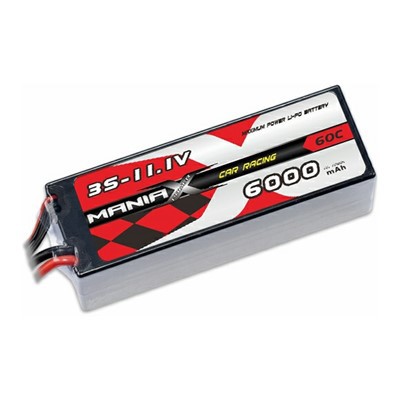
At the end of the day, if you’re shopping for a 150C FPV Lipo for your race or freestyle quad, don’t get hung up on the color. Focus on the performance, and our Black Series delivers exactly that. The casing’s gray tone is a secret weapon for pilots who want longer flight times, safer battery operation, and a product that lasts. If you have more questions about the battery’s build, performance specs, or how to get your hands on our 150C FPV Lipo Black Series, feel free to reach out to our team to discuss your needs.
RC Racing Car Battery References
- “Lithium Polymer Battery Casing Materials and Thermal Performance,” Journal of Power Sources, 2021.
- “UV Stability of Polymer Compounds for Outdoor Electronic Components,” Polymer Degradation and Stability, 2019.
- “FPV Drone Battery Performance Metrics: Heat Management and Cycle Life,” Drone Engineering Review, 2022.
- “Emissivity of Common Polymer Pigments for Aerospace Applications,” Journal of Applied Polymer Science, 2020.
ManiaX Power Technology Co., Ltd.
ManiaX Power Technology Co., Ltd. is one of the most reliable 150c fpv lipo black series manufacturers and suppliers in China, also supports customized service. Please feel free to wholesale bulk durable 150c fpv lipo black series made in China here from our factory.
Address: Room 1508, 15/F, Two Grand tower, 625 Nathan Road, Kowloon, HongKong. P.R. China
E-mail: info@maniax-power.com
WebSite: https://www.maniaxpower.com/
