As a 3 piece can supplier, I get this question all the time on sales calls, at trade shows, and even from potential clients who’ve just Googled “are 3 piece cans food grade?” It’s a fair question—when you’re packaging baby food, craft beer, or artisanal tomato sauce, the last thing you want is a packaging material that leaches chemicals, alters taste, or puts consumers at risk. Let’s break this down from both my perspective as a supplier and the science behind what makes a can “food grade.” 3 Piece Can
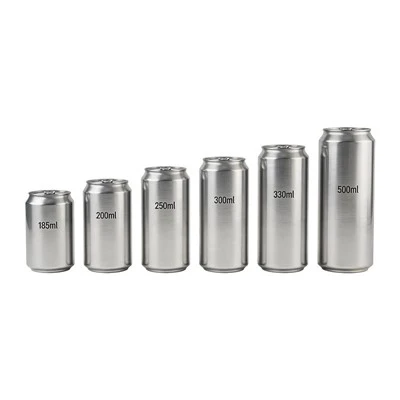
First, let’s clarify what a 3 piece can actually is, because that’s key to understanding why it’s different from other packaging formats. Unlike a 2 piece can (which is one seamless metal body with a lid crimped on top), a 3 piece can is made of three distinct parts: a cylindrical steel or aluminum body, a top end, and a bottom end. Those three parts are joined together using two critical seams: a side seam that welds or bonds the body of the can, and two end seams that crimp the top and bottom ends to the body. For decades, 3 piece cans have been the go-to for food and beverage packaging because they’re lightweight, recyclable, and customizable—think the cans you find for canned tuna, green beans, soda, and even many pet foods. But their design, specifically the seams, is what makes food grade integrity non-negotiable.
A lot of people assume that any metal can is automatically food safe, but that’s not true. Raw steel and aluminum, left untreated, can react with acidic or fatty foods. For example, if you pack a can of tomato sauce (high in citric acid) into uncoated steel, you’ll end up with a metallic aftertaste in the sauce, and the can’s inner wall will corrode over time. That’s where the internal coating comes in—and as a supplier, every 3 piece can I source or manufacture is coated with a food-grade epoxy or acrylic resin that acts as a barrier between the metal and the food inside. The coating is tested to meet strict regulatory standards, which brings me to the next point: food grade isn’t just a buzzword—it’s a set of rules.
In the U.S., the Food and Drug Administration (FDA) sets the standards for food contact materials, including 3 piece cans. The FDA’s Code of Federal Regulations (CFR) Title 21, Part 175.300 specifically covers resins and polymers used as coatings for food packaging. These regulations limit the amount of heavy metals (like lead and cadmium) that can leach from the coating or the metal, and they require that the coating doesn’t transfer any harmful substances to the food under normal use conditions. For international clients, we also ensure our cans comply with EU regulations under Regulation (EC) No 1935/2004, which governs food contact materials across the European Union, as well as standards set by the Food and Agriculture Organization (FAO) and World Health Organization (WHO) for global trade.
But let’s get into the details of the 3 piece can’s unique seams, because that’s where most quality control issues arise. The side seam is where two edges of the metal body are joined. For many years, side seams were welded using tin or lead-based solders, which was a common practice in the 20th century. Today, almost all food-grade 3 piece cans use resistance welding—a process that fuses the two metal edges together using electric current, no solder needed. Wait, but does that welded seam pose a risk? No, because the entire side seam is coated with the same food-grade resin as the rest of the can, and modern welding processes produce a clean, uniform seam that doesn’t have exposed metal. Some lower-quality suppliers might skip proper coating on the seams, but that’s a red flag. I’ve had clients come to us from other suppliers where their product was spoiling prematurely because the side seam coating was thin or missing—so that’s why we conduct a seal test on every batch of cans before they leave our warehouse. The test involves pressurizing the can with air and submerging it in water to check for leaks, and we also use a coating thickness gauge to ensure the side seam and end seams have a consistent 8 to 12 microns of resin.
Another part of the 3 piece can’s food grade integrity is the end closures. The top and bottom ends are made of aluminum (more common for food cans) or tin-plated steel, and they’re lined with a different type of resin, depending on the food being packed. For example, if a client is packing acidic foods like fruit juices or pickles, we use a resin that’s formulated to resist acid corrosion. For fatty foods like peanut butter or canned meats, we use a resin that won’t break down when exposed to fats. We even offer special coatings for sensitive products, like infant formula, where the FDA requires extra testing to ensure no leachable substances are present—we’ve had our infant formula cans tested for over 100 different chemicals, and the results have always been well below regulatory limits.
I should also address a common misconception: some people think that “recycled” metal cans are less food safe. That’s not true. Modern recycling processes for steel and aluminum remove all contaminants, and the FDA has approved the use of recycled metal for food packaging, as long as it’s processed to meet the same standards as virgin metal. We source our steel from mills that are certified by the American Iron and Steel Institute (AISI), and we test every batch of metal for heavy metals before it even goes into production. That’s a step many smaller suppliers skip, but for us, food safety isn’t something we cut corners on.
Now, let’s talk about real-world examples. Last year, we worked with a craft brewery that switched from 2 piece cans to 3 piece cans for their non-alcoholic beer. They were worried that the 2 piece cans were leaching a slight metallic taste, which was turning off some customers. We worked with them to select a 3 piece can with a specialized coating for non-alcoholic beverages, and after three months of testing, they reported that the taste was consistent across all cans, with no off-flavors. Another client is a family-owned tomato sauce brand that packs their sauce in 12-ounce 3 piece cans; they had issues with their previous supplier’s cans rusting on store shelves, so we adjusted our end coating to be more resistant to moisture, and that solved their problem. These aren’t just happy accidents—they’re the result of strict adherence to food grade standards for every part of the 3 piece can.
But wait, is there any case where a 3 piece can isn’t food grade? Absolutely. If a supplier uses uncoated metal, old soldered side seams, or coatings that don’t meet FDA or EU standards, those cans are not safe. I’ve seen generic “discount” cans online that are labeled as “food safe” but when tested, they have lead levels three times the legal limit. That’s why it’s critical to work with a supplier that provides batch test certificates for every order. We give our clients a Certificate of Conformance (COC) with every shipment, which includes test results for coating thickness, seam integrity, and leachable substances—so they can prove to their own quality teams and regulators that their packaging is safe.
Another point to consider: the end of the can’s shelf life. A properly manufactured food-grade 3 piece can has a shelf life of 5 to 10 years, as long as it’s stored in a cool, dry place. The coating won’t break down under normal storage conditions, which means the food inside stays safe for longer. That’s why 3 piece cans are so popular for long-shelf-life products like canned vegetables and soups.
I often get asked if 3 piece cans are better than other packaging options, like plastic or glass. That’s a topic for another blog, but when it comes to food safety, 3 piece cans are on par with, and often safer than, many alternatives. Plastic can leach microplastics over time, especially when exposed to heat, and glass is heavy and can break, leading to contamination. 3 piece cans are inert (thanks to the coating), lightweight, and almost 100% recyclable—they’re a triple win for food safety, sustainability, and cost.
But let’s circle back to the original question: are 3 piece cans food grade? The short answer is yes, when manufactured correctly by a reputable supplier like us. The key factors are: food-grade inner and outer coatings, properly sealed seams, compliance with global regulatory standards, and regular quality testing. It’s not just about the can itself—it’s about the process of making it, which is why we invest in state-of-the-art testing equipment and train our team on the latest food safety regulations.

At the end of the day, my job as a 3 piece can supplier isn’t just to sell packaging—it’s to give our clients peace of mind that their product is safe for consumers. If you’re a food or beverage manufacturer looking for a reliable, food-grade can, I’d be happy to walk you through our process, share our test certificates, and help you select the right can for your product. Don’t hesitate to reach out to discuss your packaging needs.
Juice Can References
- U.S. Food and Drug Administration. (2024). Code of Federal Regulations, Title 21, Part 175.300: Adhesives, coatings, and polymers.
- European Commission. (2004). Regulation (EC) No 1935/2004 of the European Parliament and of the Council on materials and articles intended to come into contact with food.
- American Iron and Steel Institute. (2023). Guidelines for Food-Grade Steel Packaging Materials.
- International Organization for Standardization. (2022). ISO 11680: Packaging — Metal containers — Test methods for leak integrity of three-piece cans.
- World Health Organization. (2021). Guidelines for the Safety of Food Contact Materials for Global Food Trade.
Fudijia (Tianjin) Supply Chain Co., Ltd.
As one of the most professional 3 piece can manufacturers and suppliers in China, our products have good reputation in the market. Please feel free to buy customized 3 piece can made in China here from our factory. Quality products and low price are available.
Address: Room 1602, MSD-G1, TEDA , Binhai New Area, Tianjin, China, 300457
E-mail: Sales896@hjlfoods.com
WebSite: https://www.fdjpack.com/
