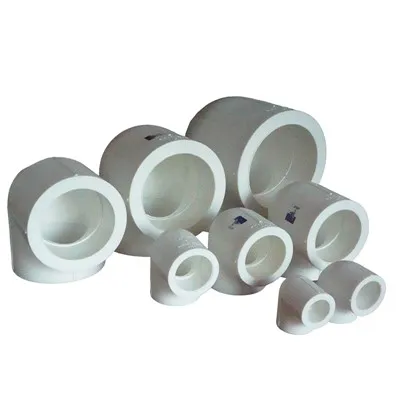
Hey there! I’m a supplier of PVC pipe fittings, and I often get asked if PVC pipe fittings can be used in a chemical processing plant. It’s a super important question, especially when you’re dealing with all sorts of chemicals and need to make sure everything is safe and reliable. So, let’s dive right into it. PVC Pipe Fittings
The Basics of PVC Pipe Fittings
First off, let me give you a quick rundown on what PVC pipe fittings are. PVC stands for polyvinyl chloride, which is a type of plastic. PVC pipe fittings are made from this material and are used to connect, control, and direct the flow of fluids in a piping system. They come in all shapes and sizes, like elbows, tees, couplings, and valves. PVC is popular because it’s cheap, easy to install, and resistant to corrosion in many environments.
Advantages of Using PVC Pipe Fittings in Chemical Processing Plants
There are a few good reasons why PVC pipe fittings could work in a chemical processing plant.
Chemical Resistance
One of the biggest perks is PVC’s resistance to a wide range of chemicals. For mild acids like hydrochloric acid (HCl) and sulfuric acid (H₂SO₄) at low concentrations, PVC holds up pretty well. It can also handle some alkalis and salts. So, if your plant is dealing with these types of substances, PVC can be a solid choice. For example, in a water treatment section of a chemical plant where they’re adjusting the pH with mild acids or bases, PVC pipe fittings can do the job without getting corroded quickly.
Cost – Effectiveness
Let’s talk money. PVC is much cheaper compared to other materials like stainless steel or copper. In a chemical processing plant, where you might need a whole lot of piping and fittings, the cost can add up really fast. Using PVC can save you a ton of cash. You can use the money you save on other important parts of your operation, like research and development or quality control.
Lightweight and Easy Installation
PVC pipe fittings are lightweight, which makes them a breeze to install. You don’t need heavy – duty equipment or a large crew to put them in place. This means less labor time and fewer installation costs. Plus, with fewer people and less equipment on – site, there’s a lower risk of accidents during the installation process.
Low Maintenance
Once installed, PVC pipe fittings don’t require a ton of maintenance. They don’t rust like metals, so you don’t have to worry about regular rust – prevention treatments. This is great for chemical processing plants that are already busy with their day – to – day operations. You can focus on producing chemicals instead of constantly fixing and maintaining the piping system.
Limitations of Using PVC Pipe Fittings in Chemical Processing Plants
Now, it’s not all sunshine and rainbows. There are some limitations to using PVC pipe fittings in a chemical processing plant.
Limited Temperature Resistance
PVC has a relatively low temperature resistance. The maximum continuous use temperature for PVC is usually around 140°F (60°C). In a chemical processing plant, there are often processes that generate high temperatures, like distillation or high – energy reactions. If the temperature exceeds the limit, PVC can soften, deform, or even break. This can lead to leaks, spills, and safety hazards. For instance, in a plant that produces certain polymers using high – temperature reactions, PVC pipe fittings would not be suitable.
Chemical Compatibility
While PVC is resistant to many chemicals, there are some substances it can’t handle. Strong oxidizing agents like concentrated nitric acid (HNO₃) and some organic solvents can attack PVC. If these chemicals come into contact with PVC pipe fittings, they can cause the material to degrade, crack, or dissolve. So, you really need to know exactly what chemicals are going to be flowing through the pipes before choosing PVC.
Pressure Limitations
PVC pipe fittings also have limitations when it comes to pressure. They can’t handle extremely high pressures like some metal pipes can. In a chemical processing plant, there might be processes that require high – pressure piping to move chemicals quickly or to maintain a specific reaction condition. If the pressure is too high, PVC pipes can burst, which is a major safety risk.
Making the Decision
So, can PVC pipe fittings be used in a chemical processing plant? The answer is, it depends. You need to consider a few key factors.
Chemical Analysis
The first thing you should do is a thorough analysis of the chemicals that will be flowing through the pipes. Make a list of all the chemicals, their concentrations, and the temperatures and pressures at which they’ll be handled. Then, check the chemical compatibility chart for PVC to see if it can handle those substances. If there are any doubts, it’s a good idea to consult a chemical engineer.
Process Conditions
Think about the temperature and pressure conditions in your plant. If the processes involve high temperatures or high pressures, PVC might not be the best choice. But if the conditions are within the limits of PVC, it could work just fine.
Safety Requirements
Safety is always the top priority in a chemical processing plant. If using PVC pipe fittings poses any safety risks, like the potential for leaks or bursts, you should look for alternative materials. However, if the risks can be managed and PVC meets all the other requirements, it can be a viable option.
Why Choose Us as Your PVC Pipe Fittings Supplier
As a PVC pipe fittings supplier, I’ve got a lot to offer.
High – Quality Products
We make sure that all our PVC pipe fittings are of the highest quality. We use strict quality control measures to ensure that each fitting meets or exceeds industry standards. This means you can trust our products to perform well in your chemical processing plant, as long as they’re used within their limitations.
Customization
We understand that every chemical processing plant is different. That’s why we offer customization options. Whether you need a specific size, shape, or type of fitting, we can make it for you. This ensures that our products fit perfectly into your existing or new piping system.
Expert Advice
Our team of experts is always ready to help you. If you’re not sure if PVC pipe fittings are right for your plant, we can analyze your requirements and give you professional advice. We’ll help you make an informed decision based on your specific situation.
Competitive Pricing
We know that cost is an important factor for you. That’s why we offer our PVC pipe fittings at competitive prices. We want to give you the best value for your money without sacrificing quality.
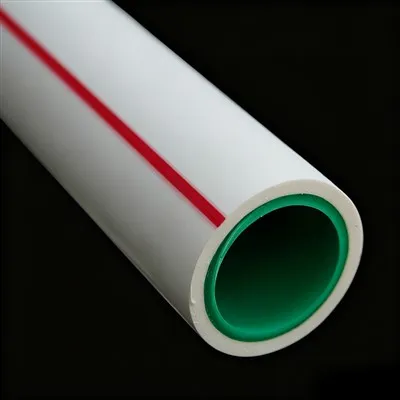
Plastic Pipe If you’re interested in learning more about our PVC pipe fittings or want to discuss whether they’re suitable for your chemical processing plant, don’t hesitate to reach out. We’re here to help you find the best piping solutions for your needs.
References
- "Handbook of Plastic Pipe Systems" by John P. Bentley
- "Chemical Resistance of Plastics and Elastomers" by Charles A. Harper
Hebei Ruijie Pipe Industry Co., Ltd.
Address: Industrial Park, Shaozhuang Township, Suning County, Cangzhou City, Hebei Province
E-mail: 1987870474@qq.com
WebSite: https://www.rjpprpipe.com/
