Let’s start with a little story. Last summer, I was out on a test ride with a customer who’d just picked up our mid-step electric city bike. He showed up in his usual work uniform: button-down shirt, slacks, and a pair of scuffed leather work boots. When we hit a 8-mile stretch of mixed road—some smooth asphalt, a few gentle gravel shoulders, and a stop-sign-heavy downtown corridor—he kept glancing down at his feet, complaining that his boots were sliding on the bike’s pedals. By the time we got back to the shop, he was convinced he needed special e-bike gear, but he wasn’t sure exactly what kind. That’s the question I get more than any other from new e-bike owners: Do I actually need special clothes for riding an electric bike? Electric Bike
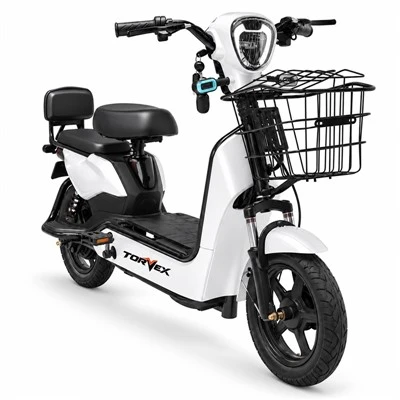
The short answer? It depends. E-bikes bridge the gap between casual cruisers and traditional road bikes, so your clothing needs fall somewhere in between—but they’re not the same as wearing jeans to a casual bike ride or a full racing kit for a road race. As an e-bike supplier, I’ve spent years watching riders figure this out, testing gear alongside our bikes, and adjusting my recommendations based on real rides, not just marketing hype. Let’s break this down by what matters, what’s overblown, and what you can skip entirely.
First, let’s talk about how e-bikes change your riding experience to start with. Unlike regular bikes, e-bikes have a motor that takes over part of the pedaling effort, so you’re not huffing and sweating through a 10-mile commute like you would on a traditional bike. That’s why a lot of people assume they can wear the same stuff they wear to grab coffee or run errands. But here’s the catch: even with motor assistance, you’re still moving faster than most casual pedestrians. The average e-bike hits 20 mph with a Class 2 throttle, and up to 28 mph with a Class 3 pedal assist—faster than a lot of city traffic, which means wind resistance is a real factor, and visibility to other road users matters more than you might think. Also, e-bikes are heavier—our most popular step-through model weighs 52 pounds, twice as much as a basic hybrid bike—so if you do need to maneuver quickly, stiff, ill-fitting clothes can get in the way.
Let’s start with the no-brainer, non-negotiables that almost every e-bike rider should have, no matter what kind of riding you do. The first is proper footwear. I can’t tell you how many customers show up in sneakers with flat soles or leather boots, like that test rider I mentioned earlier, and by the end of their first ride, their feet are sore or they’re having a hard time clipping in (if they have clipless pedals) or keeping their balance on flat pedals. E-bike pedals—even the casual, platform style most of our bikes come with—are designed to grip your foot, not let it slide. The ideal shoe for e-bike riding has a slightly stiff sole (so you don’t waste energy bending the sole when you push down) and a rubber, textured outsole that grips pedals well. You don’t need road biking cleats unless you’re riding Class 3 e-bikes for long distances, but a pair of casual cycling sneakers or even a pair of work boots with good traction will work. Skip the leather boots, though—they get slippery when they’re wet, and they’re heavy, so they’ll make your legs work harder than necessary, even with motor assist.
Next up: visibility. This is a big one for urban e-bike riders, who often share roads with cars, trucks, and even delivery vans. E-bikes are quieter than motorcycles, so drivers might not hear you coming, especially at intersections. Bright colors—neon yellow, hot pink, lime green—are non-negotiable if you ride in low light, at dawn, dusk, or after dark, and even during the day. I’ve had customers tell me their old black jacket was fine, until they got passed by a truck that didn’t see them at a crosswalk. High-visibility gear doesn’t have to be ugly, either. A lot of casual e-bike brands make lightweight, windbreakers that are bright on the outside and have a hidden pocket for your phone, so you can wear it to the grocery store after your ride without looking like a construction worker. Even if you wear dark clothes, adding a small reflective vest or reflective strips to your jacket, backpack, or pants will make a huge difference. The National Highway Traffic Safety Administration (NHTSA) has data that shows reflective gear reduces bike crashes by 26% at night, and that applies to e-bikes too—since they’re often mistaken for regular bikes or even scooters by distracted drivers.
Now, let’s talk about the stuff that most people think they need, but really don’t—unless you’re doing specific types of riding. Road cycling kits, for example. If you’re riding a traditional road bike, tight, aerodynamic shorts and jerseys make sense for reducing wind drag and keeping you comfortable over long distances. But e-bikes are built for casual rides, commutes, and trips around town, not racing. Most riders prefer more relaxed clothing, so unless you’re riding 20+ miles every day for fitness, you can skip the tight Lycra. A lot of our customers wear well-fitting joggers or chinos with no issues—just make sure the cuffs aren’t too loose, because they can catch on the chain or the crank arm of the bike. We recommend a small chain keeper or a clip for your pant cuffs, which is a $5 accessory that solves that problem.
Another myth: you need a full cycling helmet. Wait, correction—you always need a helmet, but it doesn’t have to be a specialized cycling helmet. In most places, e-bikes are classified the same as traditional bikes, so the same safety rules apply. A well-fitting bike helmet works fine, no need for an expensive e-bike-specific helmet unless you’re doing off-road e-mountain biking, in which case you’ll need a more robust helmet with face protection. For casual urban rides, a lightweight, ventilated helmet that fits comfortably under a hood or a baseball cap is perfect. A lot of new riders buy the fancy aerodynamic road helmet, only to complain that it’s too hot for city riding and they’ll never use it. Don’t overspend here—get a helmet that fits your style, not just the marketing.
What about weather-specific clothing? This is where it’s tailored to where you ride, and it’s one of the biggest questions I get from customers in different climates. If you live in a place with mild weather—like Southern California or parts of Florida—you can probably wear the same casual clothes you’d wear walking around, but add a lightweight windbreaker for cooler mornings or windy afternoons. If you ride in cold, rainy climates, like the Pacific Northwest or the Northeast, you’ll need waterproof, breathable layers that keep you dry without making you sweat. The key here is breathability: even if you’re not pedaling as hard as you would on a traditional bike, e-bike riding still gets you moving, so a thick, non-breathable rain jacket will make you sweat from the inside out, leaving you cold once you stop. We’ve tested a lot of rain gear with our e-bikes, and the best is something that’s lightweight, has taped seams, and has vented underarms—so you can zip them up for rain and unzip a bit to cool down. For winter, if you’re riding in temperatures below 40 degrees Fahrenheit, layer up: a base layer that wicks moisture (cotton is bad here, it stays wet and makes you cold), a mid-layer like a fleece or a sweater, and a windproof outer layer. You don’t need bulky ski gear—remember, the motor is helping you move, so you can stay warmer than you would walking, even at the same speed.
Wait, what about e-bike-specific clothing that’s marketed as “must-have”? Let’s call this out. There are a lot of brands making overpriced e-bike gear—like $150 casual jackets with a small logo, or pants with built-in chain guards that you can buy for $10 at a hardware store. As a supplier, I’ve seen these trends come and go. The only e-bike-specific gear that actually solves a real problem (and isn’t overpriced) is things like bike-mounted phone holders, which keep your phone visible and secure while you ride, or panniers that fit specifically on e-bikes (since e-bikes have a lower center of gravity, they work better with certain panniers that don’t shift). But when it comes to clothing, most of it is just regular gear with an e-bike label. You don’t need to buy a $200 e-bike jersey to have a good ride—you can wear a regular cotton t-shirt, just make sure it’s not too baggy that it catches on anything.
Let’s tie this back to real rider experiences, because that’s what matters most. Last month, a customer in Chicago bought our step-through e-bike for his daily commute from his apartment to his office downtown. He showed up to pick it up in jeans, a button-down shirt, and sneakers. I asked him if he needed any special gear, and he said he didn’t want to buy anything extra because he was on a budget. I gave him a free pair of pant clips, a reflective strip, and a tip about wearing his jacket unzipped for airflow. He rode for three weeks, then came back to tell me he’d saved $300 on gear he didn’t need, and he’d had no issues. The only thing he added was a small phone holder so he could track his route on his commute. On the other hand, another customer in Portland rides our e-mountain bike 10 miles a week on rugged trails. He wears a full face helmet, protective gloves, and waterproof mountain bike pants, and he swears by them—they’re not “special” e-bike clothes, they’re specialized gear for the type of riding he does. That’s the key difference: your clothing needs depend on where and how you ride.
So to wrap this up, let’s make a clear checklist for anyone wondering if they need special clothes for e-bike riding:
- If you ride for casual cruises, commutes around town, or errands: No special clothes needed, just make sure your cuffs are secured, you have a helmet, and you add reflective gear for low light.
- If you ride in cold, rainy, or hot weather: Invest in weather-appropriate, breathable layers, no need for e-bike-specific labels.
- If you ride long distances on high-speed e-bikes (Class 3+) or off-road e-mountain bikes: A few specialized items (stiff-soled shoes, more protective gear) can make the ride more comfortable and safe, but you don’t need a full road cycling kit unless you’re racing.
- Skip the overpriced e-bike clothing marketed as “must-have” unless it solves a specific problem you have.
As an e-bike supplier, my goal isn’t to sell you a bunch of unnecessary gear—it’s to help you enjoy riding your e-bike, safely and comfortably. If you’re new to e-biking, start with the basics: a well-fitting helmet, secure pant clips, and a reflective strip. As you ride more, you’ll figure out what works for you, whether that’s a pair of casual cycling shoes or a lightweight windbreaker. And if you have questions about gear that pairs well with any of our e-bikes, our team is here to help—we’ve tested every kind of riding you can think of, from commutes in New York City to trail rides in the Rockies, so we can point you to what’s actually worth your money.
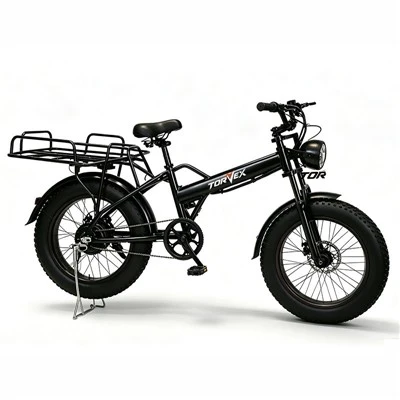
If you’re ready to find the right e-bike for your needs, or want to learn more about gear that works for your riding style, reach out to our team to discuss your requirements.
High Speed Electric Motorcycle References
National Highway Traffic Safety Administration. (2022). Bicycle Safety: A Guide for Riders. U.S. Department of Transportation.
Electric Bike Technologies. (2023). E-Bike Rider Gear Guide: What You Actually Need for Safe and Comfortable Rides.
Journal of Transport & Health. (2021). The Impact of Visibility Gear on Cyclist Crash Risk in Urban Environments.
Shandong Tuowei Locomotive Co., Ltd.
Shandong Tuowei Locomotive Co., Ltd. is one of the most professional electric bike manufacturers and suppliers in China. With abundant experience, we warmly welcome you to wholesale high quality electric bike at competitive price from our factory. If you have any enquiry about cooperation, please feel free to email us.
Address: No.7, Area E, Advanced Manufacturing Industrial City, Middle Section of Zizhou Avenue, Gaojia Community, Zichuan Economic Development Zone, Zibo City, Shandong Province, P.R.China
E-mail: sales@torvexmoto.com
WebSite: https://www.torvexmoto.com/
